
Why Aren't Clients Calling Their Real Estate Agent Back Anymore?
Today, that's no longer the reality.
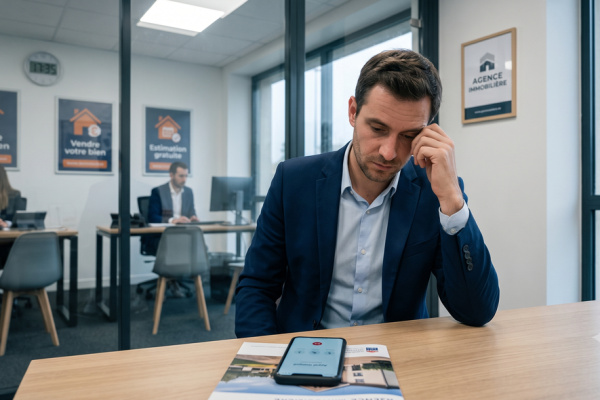
Across many brokerages, agents share the same frustration: clients answer their phones less often, rarely return voicemail messages, and it can take three, four, or even five follow-ups before getting a response if they respond at all.
Does this mean clients have become less courteous? Not really.
What has changed is the way people communicate.
Clients Aren't Avoiding Their Agent—They're Protecting Their Time
Twenty years ago, agents controlled much of the information. If someone wanted to know what their home was worth, understand the selling process, or schedule a showing, they had to speak with a real estate professional.
Today, that information is available in seconds.
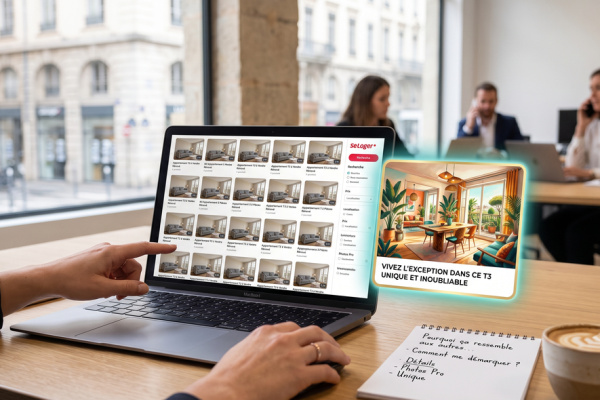
Online home valuations, real estate websites, client reviews, social media, and comparison tools allow buyers and sellers to do extensive research before ever picking up the phone. In fact, the first impression of an agent is often made long before the first conversation through the brokerage's online reputation.
Clients no longer feel the need to answer every call. Instead, they decide when, how, and with whom they want to communicate.
"Ghosting" Has Become Part of Sales
Once associated mainly with dating, ghosting has become a reality in real estate.
How many homeowners never call back after requesting a home valuation? How many buyers disappear after touring several properties? How many sellers simply stop responding instead of saying they've listed with another brokerage?
In most cases, the silence isn't personal. It's a reflection of changing consumer behavior. Many people would rather avoid an uncomfortable conversation than directly say no.
The Real Problem Isn't Following Up
When faced with silence, the instinct is often to follow up even more.
But making more calls doesn't automatically create more value.
A voicemail like:
"I'm just checking in to see where you are with your real estate plans."
is unlikely to get a response. The client already knows why you're calling.
Now compare that with this message:
"Two homes similar to yours just sold in your neighborhood. The sale prices were significantly different from what we were seeing six months ago. I thought you'd find that information helpful."
Now you've given the client a real reason to call you back.
From Salesperson to Trusted Advisor
The evolution of communication has transformed the role of the real estate agent.
In 2000, the best agents were often those with the strongest sales pitch.
In 2026, the best agents are the ones who create value every time they reach out.
They don't just sell.
They educate.
They reassure.
They guide.
They become trusted advisors throughout one of the biggest financial decisions their clients will ever make.
This reflects a broader shift across the industry: trust has become the true differentiator between brokerages.
A Better Way to Follow Up
The question is no longer:
"How many times should I follow up?"
Instead, ask yourself:
"What valuable reason do I have to reach out today?"
Has the market shifted?
Did a comparable property just sell?
Is there a new regulation that affects homeowners?
Have mortgage rates changed?
Every interaction should provide information the client wouldn't have received without you.
Relationships Are Still Your Greatest Competitive Advantage
Digital tools, CRMs, and artificial intelligence can automate follow-ups and ensure no lead falls through the cracks.
But they will never replace the value of a genuine human conversation.
Today's real estate agent isn't simply there to manage a transaction.
Their role is to bring clarity, expertise, and confidence to what is often a complex and emotional process.
At the end of the day, clients don't respond to the agent who calls the most.
They respond to the one who provides the most value.
Finding the right reason to reach out at the right time without spending your evenings chasing leads is exactly what a CRM built to support client relationships can do.